Why Machine Learning Needs More Flexibility
Many machine-learning systems perform well when the task and data remain close to what they saw during training. The difficulty appears when conditions change: a model trained to identify one type of defect may struggle with another, or a language system may need extensive retraining before handling a new subject reliably. This limits usefulness in workplaces where problems evolve faster than datasets and budgets allow.
Greater flexibility could let one system adjust to unfamiliar tasks without discarding everything it has learned. That may reduce retraining time, data requirements, and deployment costs. It does not remove the need for testing, however. Adaptation can introduce errors, increase computing demands, or produce inconsistent results, so the practical question is not simply whether a model can change, but whether it can do so safely and predictably.
What the Researchers Have Developed
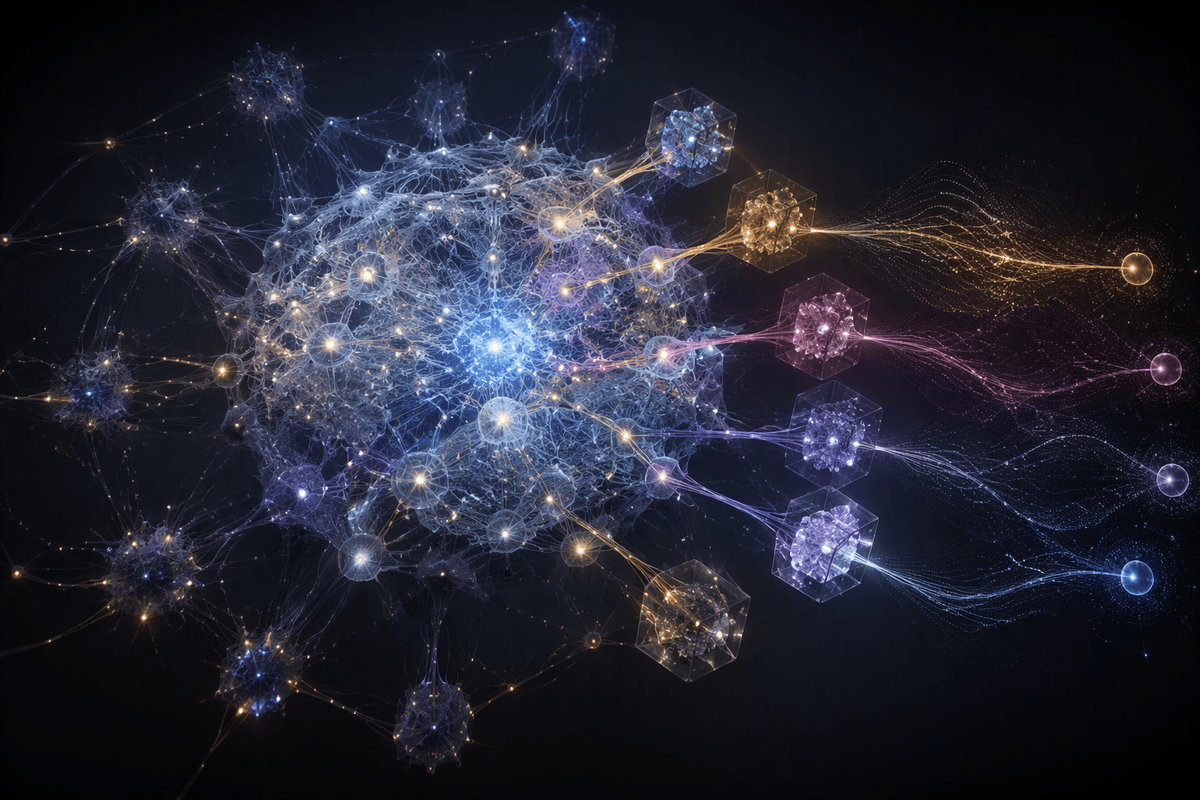
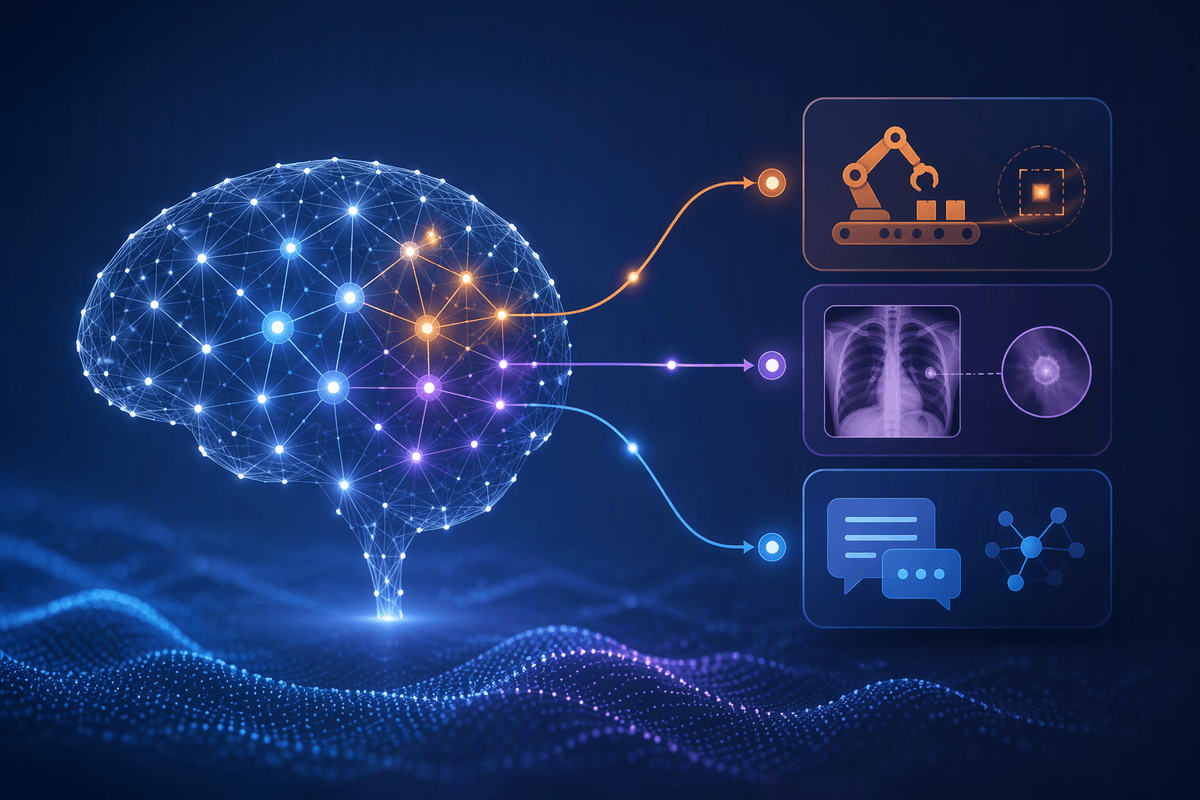
The researchers have developed a machine-learning architecture designed to reuse what it already knows while adjusting selected parts of its behavior for a new task. Instead of training a separate model from the beginning, the system can preserve general capabilities and modify a smaller set of parameters, connections, or task-specific components. This creates a middle ground between a rigid, single-purpose model and a fully retrained system.
The important feature is controlled adaptability. New information can be introduced without necessarily overwriting the model’s earlier knowledge, helping it respond to different inputs or objectives with less data and computation. In practical terms, the same underlying system might support several related applications while keeping their adjustments partly separate. That could simplify maintenance and reduce the cost of deploying models across changing environments. The approach remains more demanding than simply running a fixed model, though. It requires methods for deciding what should change, monitoring whether old abilities are being weakened, and testing performance on tasks the system has not encountered before.
How It Adapts to New Tasks
When a new task arrives, the system first has to determine which parts of its existing knowledge are relevant. A task description, example inputs, or early feedback can act as a guide, allowing the model to activate some capabilities while leaving others unchanged. Rather than treating every new problem as unrelated, it can draw on patterns learned from earlier tasks and make smaller, targeted adjustments.
This process is useful when new tasks share underlying features with familiar ones. A model trained on several kinds of images, for example, may adapt to a new inspection category by reusing its visual representations and changing only how it interprets them. The benefit is faster learning with fewer examples, but the result depends heavily on the quality of the task signal and the similarity between old and new situations. If the new task differs too sharply, reused knowledge may become a source of mistakes. Adaptation also needs safeguards to prevent short-term updates from damaging performance on tasks the model must continue handling.
The Trade-Offs Behind Greater Adaptability
The main advantage of adaptable learning comes with a cost: the system must make more decisions during deployment. A fixed model can be evaluated once for a defined task, while an adaptive system must also determine when to update, which information to trust, and how much of its behavior to change. Those choices add computing requirements and create more opportunities for errors, especially when incoming data is incomplete, noisy, or unlike anything seen during training.
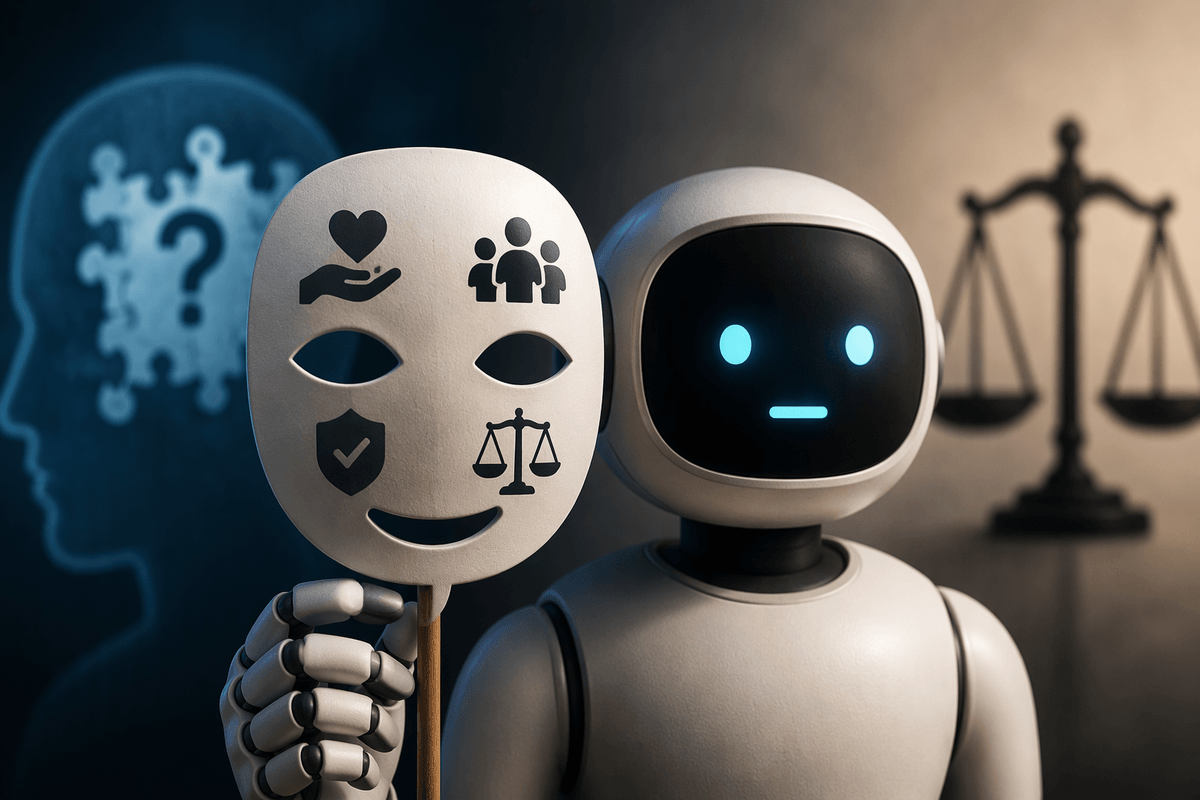
There is also a tension between specialization and stability. Adjusting quickly may improve performance on a new task, but aggressive changes can weaken older capabilities or produce different results from similar inputs. Limiting updates protects consistency, yet may make adaptation too slow to be useful. Organizations would therefore need monitoring, rollback procedures, and repeated testing across both new and familiar tasks. These safeguards reduce the practical savings and may require domain experts to review changes. Greater adaptability is valuable, but it shifts some of the burden from model training to ongoing supervision and risk management.
Where This Approach Could Make a Difference
The approach is most promising in settings where tasks change often but still share a common foundation. In manufacturing, one system could adapt to new product lines or defect categories without requiring a complete retraining cycle. In healthcare, it might help adjust analysis to different imaging devices or patient populations, provided each update is checked by qualified professionals. Customer-support and language systems could also reuse general capabilities while adapting to new products, policies, or specialized terminology.
These applications matter because the bottleneck is often not the first model deployment but the steady stream of changes afterward. A flexible system could reduce the data and engineering work needed for each adjustment, making machine learning more practical for smaller teams. The gains would be limited, however, when errors carry serious consequences or when new conditions differ greatly from earlier ones. In those cases, fresh data, independent validation, and human review may still be necessary. The approach is therefore most relevant as a way to extend useful models across related tasks, not as a replacement for careful retraining and oversight.
What Still Needs to Be Tested

The promising demonstration is not the same as dependable deployment. The approach still needs testing on larger and more varied datasets, including situations where the new task differs substantially from the examples used during development. Researchers will need to measure not only average accuracy, but also how often adaptation fails, how quickly errors are detected, and whether performance remains stable after repeated updates.
A system may learn a new task successfully while gradually losing earlier abilities, becoming sensitive to biased feedback, or producing inconsistent decisions across users and settings. Comparisons with conventional retraining would also clarify whether the savings in data, time, and computing justify the added monitoring. Real-world trials should examine privacy, security, rollback procedures, and the human expertise required to approve changes. Until those questions are answered, the method is best viewed as a potentially useful foundation for adaptable machine learning, not a proven substitute for task-specific validation.
A More Practical Path for Machine Learning
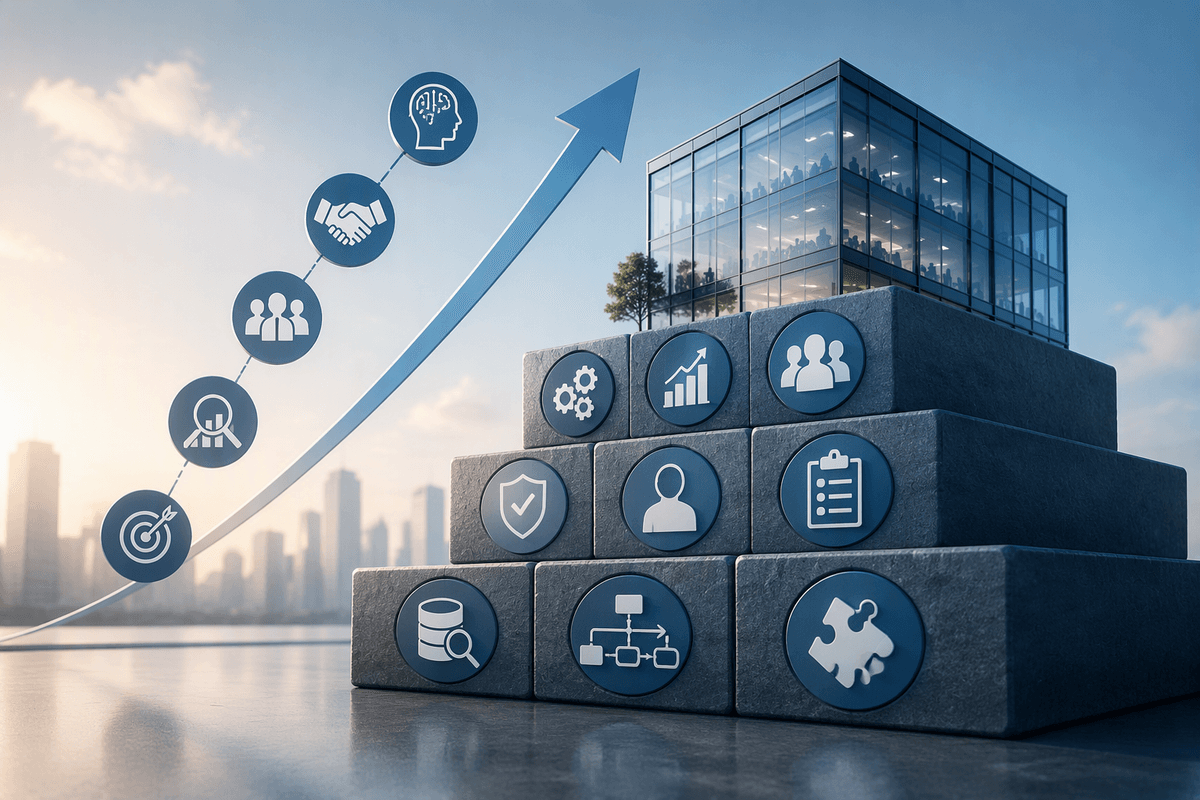
For organizations, the most useful way to view this approach is as an intermediate option between keeping a fixed model and rebuilding one from scratch. It could make updates faster and less expensive when new tasks resemble existing ones, while preserving a shared base of knowledge. That is a meaningful operational advantage, particularly for teams managing many related applications.
Its value will depend on disciplined use rather than adaptability alone. Clear limits on updates, reliable performance checks, human approval, and easy rollback would need to be part of the design. Used this way, flexible machine learning could become a practical method for extending models over time—provided the savings outweigh the added complexity of monitoring them.