What Does AI Sovereignty Actually Mean?
When governments or companies claim AI sovereignty, they rarely mean building every component themselves. More often, they mean having enough control to keep critical systems operating, protect sensitive data, set rules for deployment, and avoid being easily pressured by an external supplier. A country may use foreign chips or cloud services and still retain meaningful control if it can switch providers, audit the system, enforce local laws, and maintain essential capabilities.
That distinction matters because complete independence is usually impractical. AI depends on international supply chains, specialized talent, advanced models, energy, and infrastructure that few organizations can reproduce alone. Sovereignty is therefore better understood as a question of leverage and resilience: which dependencies are acceptable, which create unacceptable exposure, and whether alternatives exist when political, commercial, or technical conditions change.
Control Breaks Down Across the AI Stack
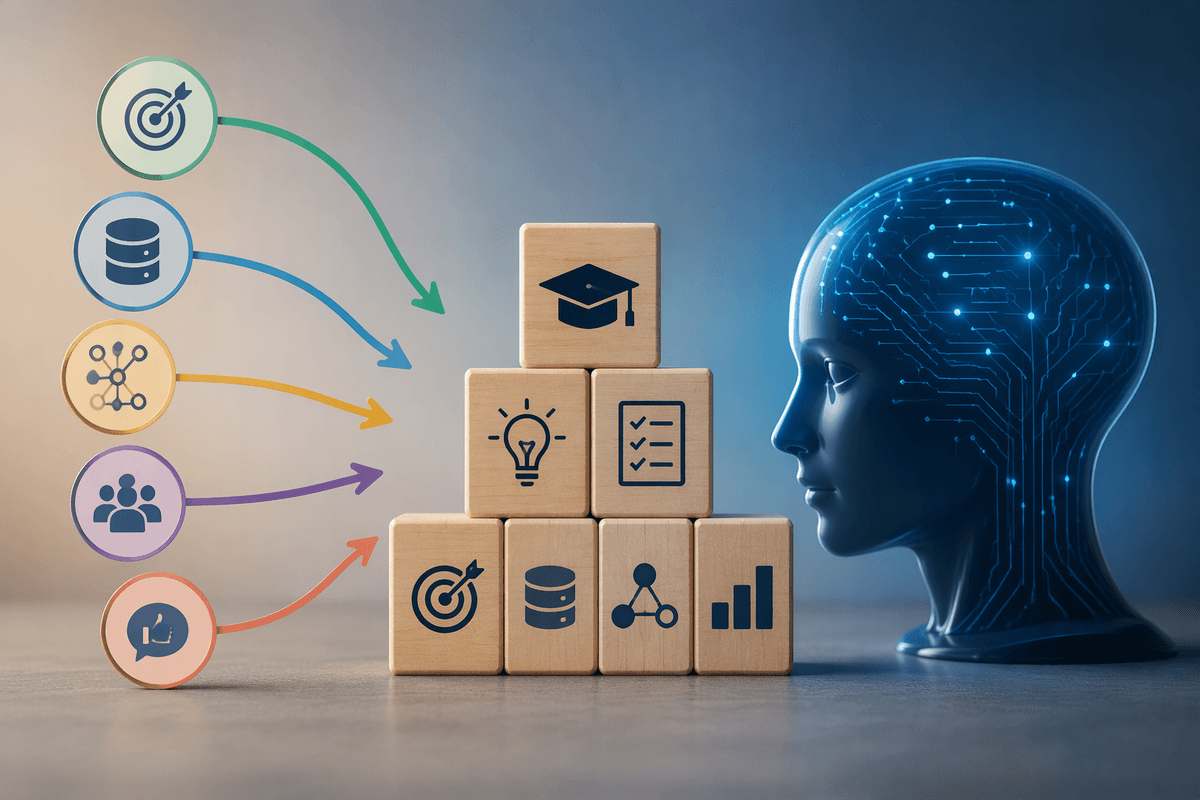
A government may control the rules for an AI system while lacking control over the system itself. Dependence can appear at every layer: advanced chips may come from a small number of foreign suppliers, cloud capacity may be concentrated in a few global platforms, and training data may be hosted or licensed across borders. Even a domestically developed model can rely on imported hardware, overseas software tools, external research, or engineers trained elsewhere.
These dependencies do not all create the same risk. A replaceable cloud contract is different from access to a unique processor, and a model that can be retrained locally is less exposed than one that depends on a foreign API. The practical question is where control can be exercised and how quickly alternatives can be activated. Audits, local data storage, procurement rules, backup infrastructure, and technical expertise can reduce exposure, but each adds cost and may lower performance or increase deployment time. AI sovereignty therefore breaks down unevenly: an organization may be strong at governing applications while remaining vulnerable in the hardware, energy, or supply-chain layers beneath them.
Why Domestic Models Still Depend Abroad
A domestically trained model can look sovereign on paper while remaining tied to foreign inputs. Its developers may use imported accelerators, software libraries maintained abroad, and cloud regions operated by multinational firms. The training data may include international publications, commercial datasets, or user activity processed through external platforms. Even the workforce can reflect this dependence: researchers may rely on overseas education, conferences, open-source projects, and prior experience with foreign systems.
These links matter because replacing one component is rarely simple. Switching chips can require rewriting software and rebuilding data centers; moving from a major cloud provider can disrupt performance, security controls, and deployment schedules. A local model may also lag behind frontier systems if it cannot access comparable computing capacity or high-quality data. That does not make domestic development pointless. It can improve legal accountability, preserve sensitive knowledge, and create bargaining power. But claims of independence should identify what is actually controlled, what remains imported, and how long substitution would take. A model is meaningfully sovereign when its operators can maintain, modify, and deploy it under pressure—not when every input originates within national borders.
Open Source Offers Leverage, Not Escape

Open-source models can reduce dependence on a single vendor, especially when organizations can inspect the code, run the model locally, and modify it for their own language, laws, or security requirements. They also make it easier to build domestic expertise. Engineers can study existing systems rather than starting from nothing, while governments can support local deployment without handing every decision to a foreign provider.
Open weights do not remove dependence on advanced chips, cloud capacity, electricity, training data, or the specialists needed to operate large systems. A model may be freely available yet too expensive to retrain, difficult to secure, or impractical to run at national scale. Its training data and software dependencies may also reflect foreign sources, and legal responsibility can become unclear when many parties modify the system. Open source therefore changes the bargaining position rather than eliminating vulnerability. It can create fallback options, support local adaptation, and make supplier pressure less decisive, but only when paired with infrastructure, skills, maintenance budgets, and the ability to verify what the system actually does.
The Tradeoffs Behind National AI Independence
Once a government tries to reduce these dependencies, the costs become harder to ignore. Building local computing capacity can improve security and create domestic expertise, but it requires large investments in chips, data centers, electricity, and maintenance. Restricting foreign vendors may protect sensitive systems while reducing access to better hardware, lower prices, or faster model upgrades. Keeping data within national borders can strengthen legal control, yet it may make datasets smaller, less diverse, or more expensive to manage.
Hiring and training local specialists supports long-term resilience, but it takes years and competes with better-funded employers abroad. Replacing widely used tools with domestic alternatives may reduce exposure to sanctions or policy changes, while increasing technical friction and slowing deployment. Policymakers therefore have to decide which capabilities deserve redundancy and which dependencies are tolerable. A sensible strategy may preserve foreign links for routine services while securing local control over critical data, emergency capacity, procurement choices, and system oversight. The goal is not maximum self-sufficiency at any price. It is enough independent capability to keep essential functions operating and preserve credible alternatives when external conditions change.
What Practical AI Autonomy Can Look Like

Practical autonomy often looks less like a fully domestic AI stack and more like a carefully managed set of fallback options. An organization might keep sensitive data and core models under its own control, maintain enough local computing capacity for essential workloads, and retain the skills to move between cloud providers. It may also require exportable data, documented interfaces, independent audits, and contracts that prevent a vendor from making abrupt changes without notice.
These measures do not eliminate outside dependence, but they change its consequences. A public agency that can run a basic language model locally during a cloud outage has more resilience than one that relies entirely on an external API, even if the local system is slower and less capable. Maintaining that backup capacity still costs money, consumes energy, and may produce weaker results than using the leading commercial service. The practical test is therefore not whether every component is domestic. It is whether the operator can protect critical information, continue essential operations, replace vulnerable suppliers, and make informed decisions when access, prices, or political conditions shift.
Sovereignty Is Really About Negotiating Power
That test shifts the focus from ownership to bargaining position. A government or organization has more sovereignty when it can reject unsafe terms, delay a deployment, change suppliers, or operate essential services during a disruption without suffering immediate failure. It may still depend on foreign chips, models, or cloud platforms, but those dependencies are less dangerous when they are diversified, documented, and backed by credible alternatives.
This perspective also makes sovereignty measurable. Leaders can ask how long critical systems would function without a key vendor, how difficult migration would be, and which capabilities cannot be replaced. The strongest strategy is not total independence, which is costly and often unrealistic, but enough control and redundancy to make dependence manageable—and external pressure negotiable.