Why “Dr. Google” Never Fully Worked
A familiar pattern starts with a symptom, a search bar, and a list of possible causes ranging from harmless to frightening. Search engines can surface useful material, but they rarely know which detail matters most: your age, medications, medical history, symptom timing, or whether the problem is getting worse. The reader must do that sorting alone.
Results also reward popularity and matching keywords, not a careful clinical assessment. A person searching “chest tightness after dinner” may see reflux advice beside pages about heart disease, anxiety, or lung problems, without a clear way to judge urgency. The result is often false reassurance, unnecessary alarm, or hours spent comparing symptoms. Online research works best when it helps people ask better questions, not when it asks them to make a diagnosis from a list.
ChatGPT Changes the Question-and-Answer Experience
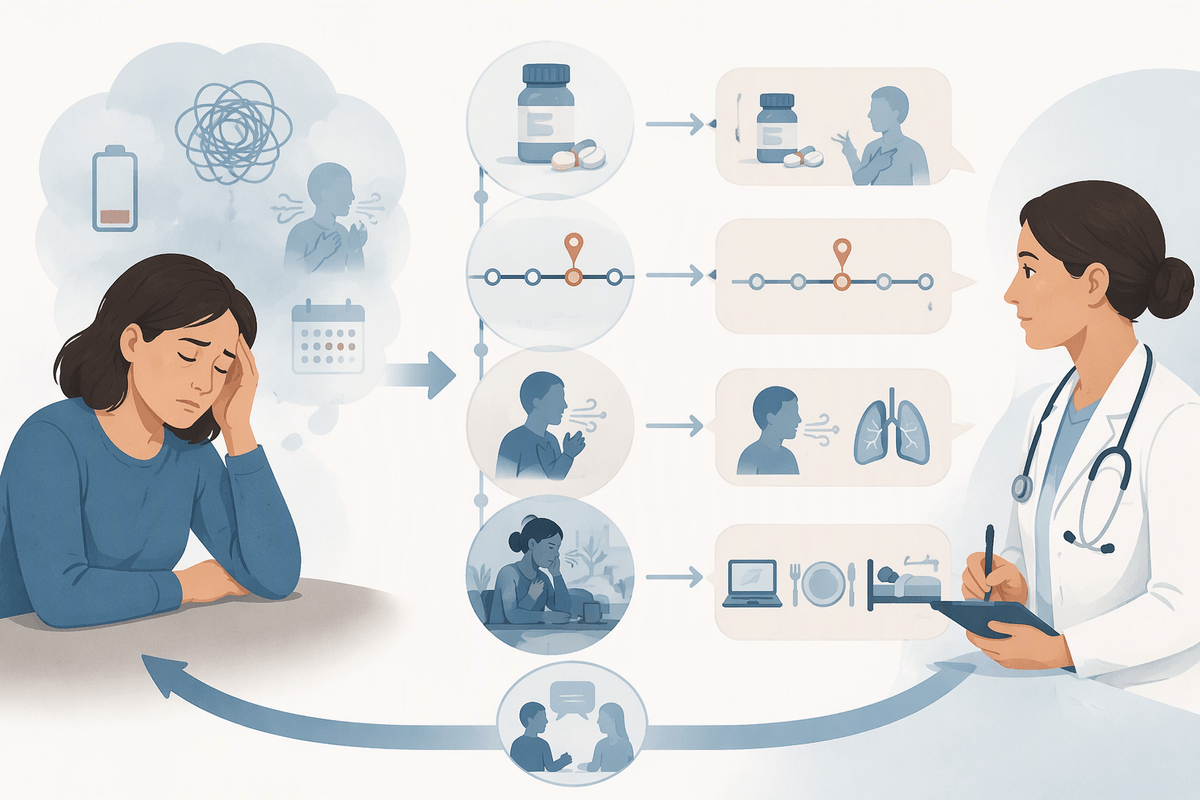
A conversational tool changes that experience because it can work with a follow-up. Instead of opening ten tabs, someone can describe what they notice, ask what details are relevant, and request a plain-language explanation of terms found in a lab report or discharge summary. It can also help turn a vague concern into a short list of questions for a clinician: When did this begin? What makes it better or worse? Which medicines or recent changes could matter?
That format is useful because health concerns rarely arrive as tidy search queries. A person may start with “Why am I tired?” and then add that the fatigue began after a medication change, comes with shortness of breath, or affects daily activities. ChatGPT can organize those details and explain common possibilities without forcing the person to decide which webpage deserves trust. The smoother conversation, however, can make an answer sound more tailored and certain than the available information justifies.
Where a Health Chatbot Can Genuinely Help
The most reliable uses are practical rather than diagnostic. A health chatbot can translate medical language into everyday terms, help a parent compare instructions on a prescription label with questions they still have, or create a concise symptom timeline before an appointment. Someone with recurring headaches, for example, can use it to organize dates, duration, sleep, meals, stress, medications, and warning signs into notes a clinician can review quickly.
It can also support routine research when the goal is understanding rather than deciding what condition is present. Asking how a blood test is commonly used, what recovery restrictions after a procedure usually mean, or which questions to bring to a new diagnosis can produce a clearer starting point than a broad web search. The value comes from structure: it helps separate observations from assumptions and turns scattered concerns into useful questions.
Chatbots do not examine the person, verify every detail, or see the full medical record, and their explanations can omit exceptions that matter. Treat the output as preparation for a conversation with a qualified clinician, not as the conversation’s substitute.
Personal Answers Can Still Be Wrong

Consider two people who both report dizziness. One may be dehydrated after a stomach illness; the other may be reacting to a new medication, have an inner-ear problem, or need urgent evaluation for a neurological or heart-related cause. Even a detailed chat exchange cannot reliably distinguish among those possibilities without an examination, vital signs, testing, and clinical judgment.
A chatbot may give a generally sensible explanation that fits some of the facts while missing the one detail that changes the picture: a recent fall, immune suppression, a drug interaction, worsening symptoms, or a family history the person did not realize was relevant. It may also reflect errors or gaps in the information it was given. A confident, personalized tone does not turn an incomplete description into a medical assessment.
Use specific answers as hypotheses to check, not conclusions to act on alone. If the advice would lead you to start, stop, delay, or avoid treatment, bring it to a pharmacist or clinician first.
Urgency Is the Hardest Call to Automate
The hardest question is often not “What could this be?” but “How soon do I need help?” People commonly try to answer that question at home: deciding whether severe stomach pain can wait until morning, whether a child’s fever needs a call tonight, or whether new shortness of breath is probably anxiety. The same symptom can be minor in one setting and time-sensitive in another.
A chatbot can remind users to watch for warning signs and encourage care when symptoms sound concerning. But urgency depends on details that may be missing, misunderstood, or impossible to assess in text: skin color, breathing effort, confusion, weakness on one side, blood pressure, examination findings, and how quickly a condition is changing. A person may also describe a serious symptom too mildly because they are worried about overreacting.
When symptoms are sudden, severe, rapidly worsening, or include possible signs of stroke, heart attack, serious allergic reaction, major bleeding, trouble breathing, or altered consciousness, do not wait for a chatbot to narrow the possibilities. Seek emergency help. For less immediate concerns, use the conversation to prepare a call to a clinician, not to decide against making one.
Privacy, Sources, and Human Oversight Matter
Even when a health question is not urgent, the information shared deserves care. Symptom descriptions, medication lists, test results, and photos can be deeply personal. Before entering them into any digital tool, users should understand what information may be stored, who can access it, whether it may be used to improve the service, and how to remove it if needed. Avoid sharing identifying details unless they are necessary for the task.
A useful answer should distinguish between general education, established clinical guidance, and uncertain or individualized claims. Ask where important recommendations come from, especially when the topic involves medicines, supplements, or a serious condition. Human oversight remains the safeguard: a pharmacist can check a drug question, a nurse can help with triage, and a clinician can interpret advice in light of the full record. The chatbot may help organize the issue, but a qualified person should remain responsible for decisions that affect care.
Use ChatGPT as a Health Assistant, Not Doctor
The most useful habit is to give ChatGPT a supporting role. Use it to turn a confusing appointment note into plain language, build a symptom log, compare questions you want to ask, or rehearse how to describe a concern clearly. Bring the resulting notes to a clinician, and include the details that chat often misses: what changed, how fast it changed, your medicines, relevant history, and what you are unable to do normally.
Do not use it to declare a diagnosis, interpret a serious change in isolation, or replace urgent help. Its value is practical: better preparation, clearer understanding, and more focused conversations. The final judgment about treatment, testing, and urgency should remain with qualified healthcare professionals who can assess the person in front of them.