Why Fluid Equations Can Hide Surprises
Water rushing through a pipe, air moving around an airplane wing, and ocean currents may look different, but scientists often describe them with related fluid equations. These equations connect changing quantities such as speed, pressure, and density. They are powerful because they turn complicated motion into rules that can be tested on paper or in a computer.
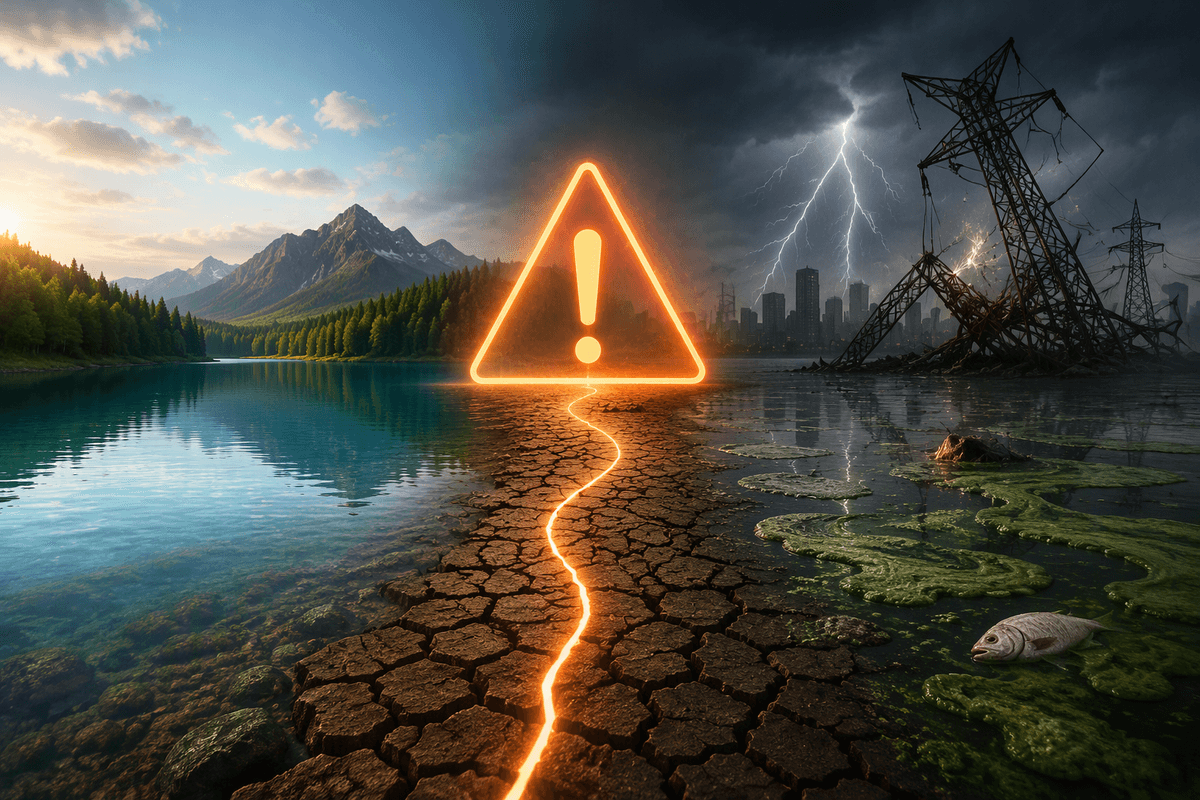
A rule can work extremely well in ordinary cases while still allowing unusual behavior under extreme conditions. A calculation may produce a sudden spike, a breakdown, or more than one possible outcome. That does not automatically mean a real river or aircraft will behave that way. It may expose a mathematical inconsistency, a limitation in the model, or simply a case that researchers have not understood. AI can help search this enormous space for patterns humans might overlook.
The Mathematical Problem Behind Moving Fluids
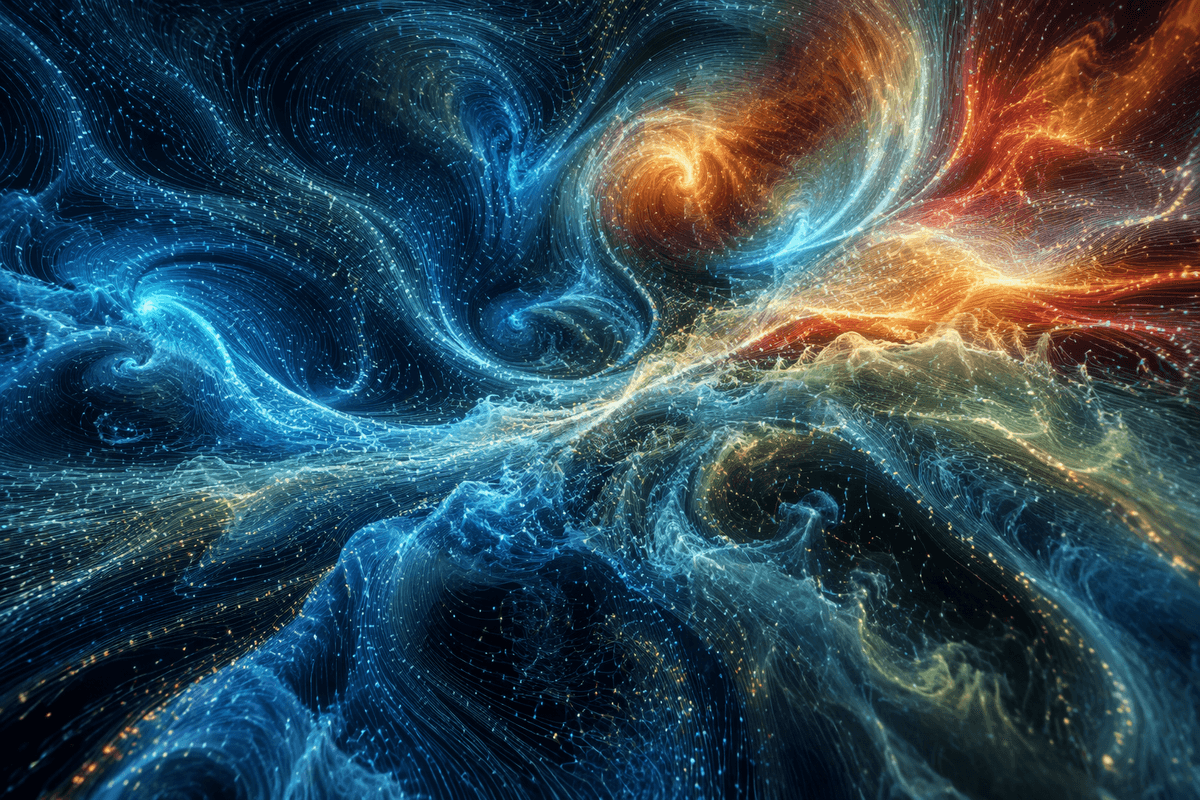
The difficulty begins with a basic demand: predict how a fluid changes at every point in space and at every moment in time. Equations such as the Navier–Stokes equations describe this using velocity, pressure, density, viscosity, and external forces. Each quantity affects the others, so a small change in one place can spread through the flow. Turbulence makes the problem harder because swirling motion creates smaller swirls, producing detail across many scales.
Mathematicians are not only asking whether these equations match measurements. They also want to know whether their solutions always exist, remain smooth, and stay uniquely determined by the starting conditions. A failure could mean the mathematics permits a blow-up: a quantity becomes infinite or changes too sharply for the equations to continue. That is different from an ordinary modeling limitation, such as ignoring rough surfaces or temperature changes. Real fluids may depart from an idealized model, while a mathematical breakdown raises a deeper question about whether the equations themselves are well behaved in every permitted situation.
How AI Searches for Counterexamples
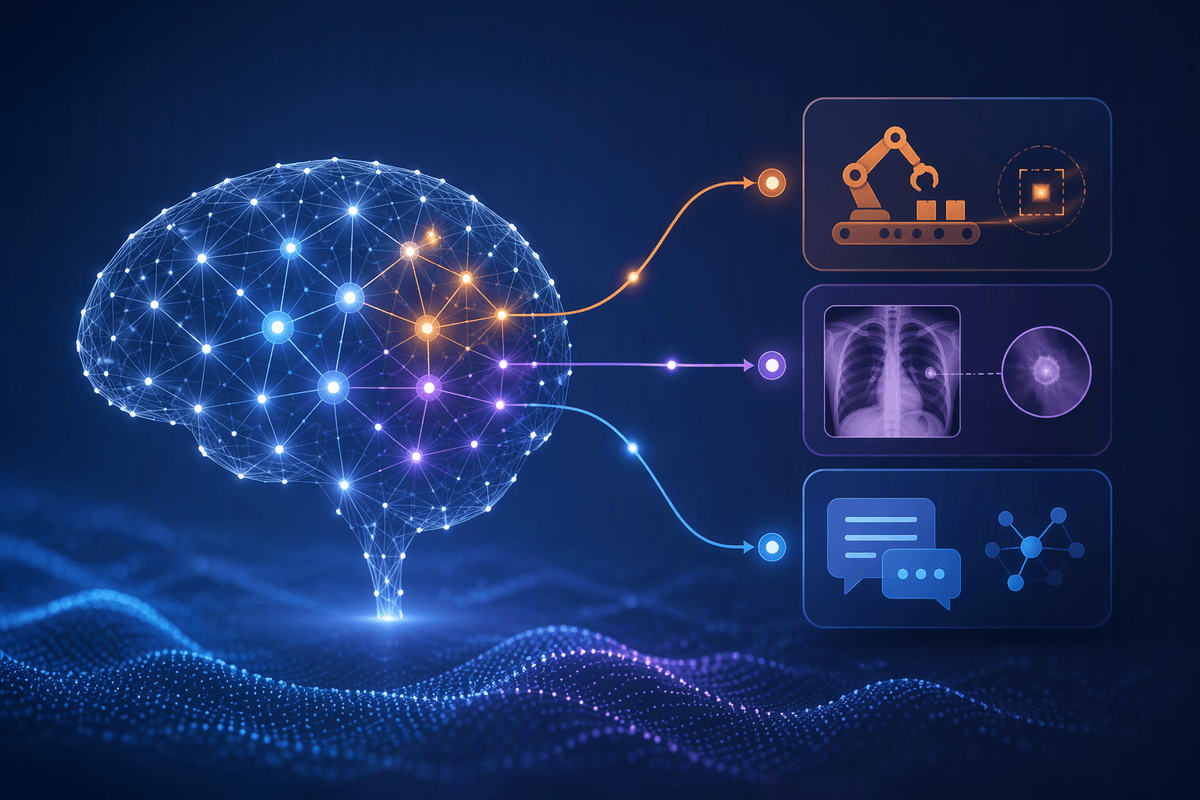
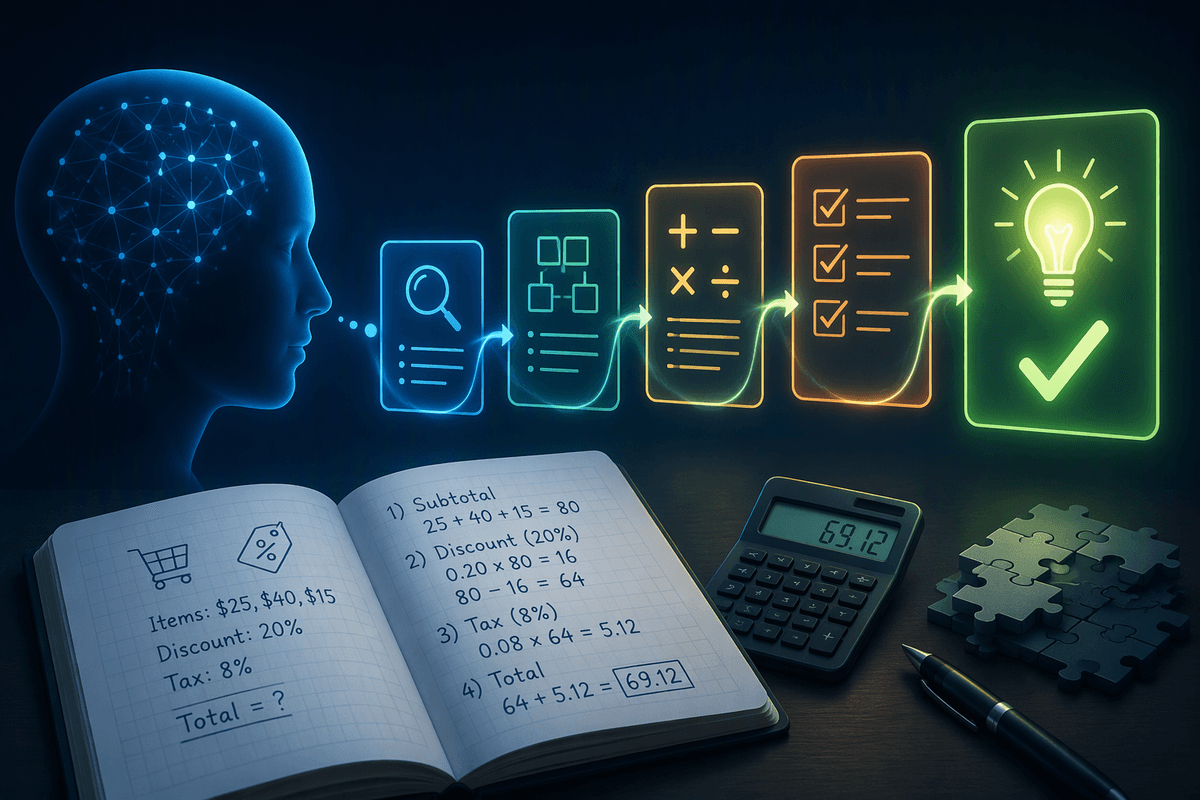
Rather than solving every possible fluid flow, AI can search for cases that make a proposed claim fail. Researchers first translate the claim into measurable conditions, such as whether a solution stays smooth or whether a quantity grows without bound. They then generate many starting patterns, adjust parameters, and run numerical simulations. A machine-learning system can prioritize the trials that look most unstable instead of treating every possibility equally. It may notice combinations of swirling motion, pressure, and boundary conditions that deserve closer inspection.
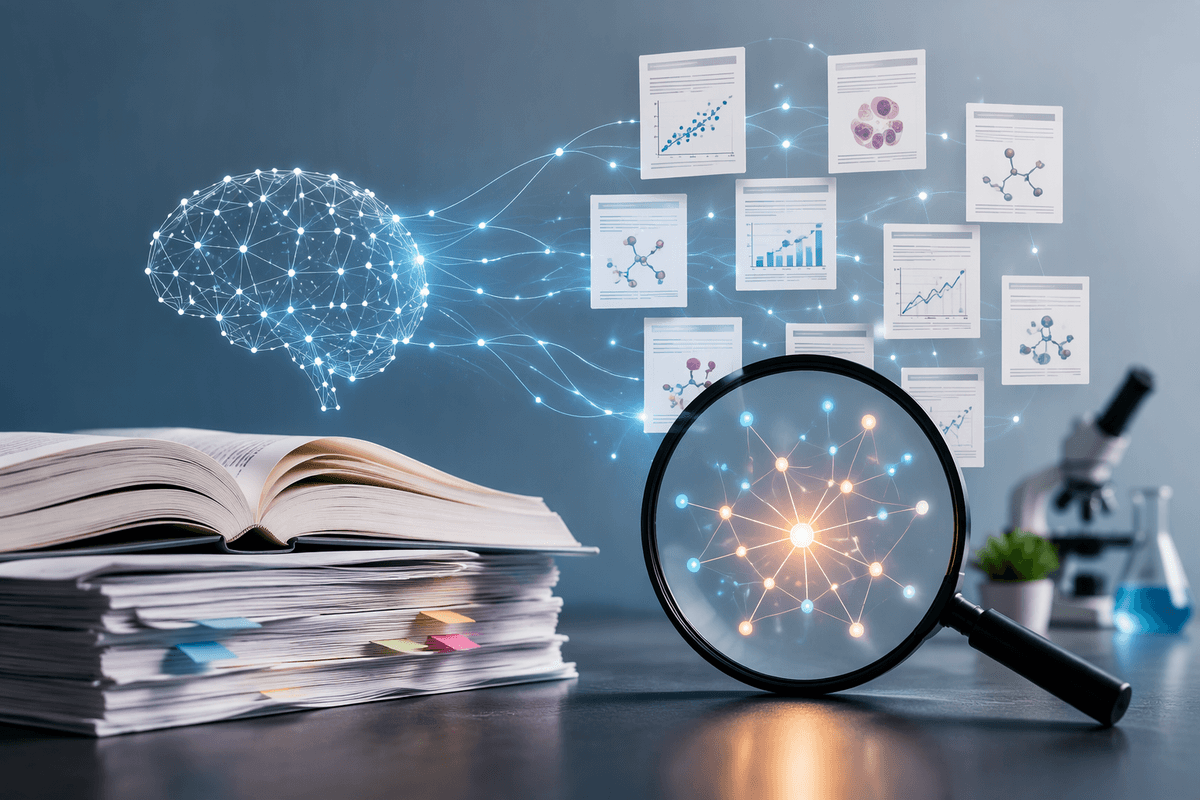
This process resembles a guided hunt for a counterexample. The AI does not prove that a breakdown exists; it identifies suspicious behavior, such as rapidly increasing gradients or results that change dramatically after tiny adjustments. Human researchers must then check whether the pattern is genuine or a numerical artifact caused by limited resolution, rounding, or an unsuitable algorithm. That verification can be expensive because finer simulations require more computing power and may still provide only approximate evidence. A surprising output therefore challenges a mathematical claim without automatically showing that real fluids, or the equations used in engineering, are unreliable.
What the Hidden Glitch Actually Reveals
The most useful finding is often not a dramatic failure, but a narrow region where the equations become unusually sensitive. A tiny change in the starting flow may produce a much larger change later, or a simulation may develop sharper and sharper features as its resolution increases. AI helps expose these patterns by comparing many related cases and highlighting behavior that would be easy to miss in a single experiment.
That signal still has several possible explanations. It could point to a genuine mathematical obstruction, such as a solution losing smoothness. It could also reflect a numerical weakness: the computer may be introducing errors as the simulated structures become too small to represent accurately. A third possibility is an ordinary modeling limitation, where the ideal equations omit effects such as molecular-scale motion, heat transfer, or surface roughness. A mathematical inconsistency would challenge a basic theorem or assumption, while a modeling limitation mainly tells engineers when a particular description stops being dependable. AI therefore reveals where understanding is weakest, not necessarily where nature breaks. Its strongest contribution is narrowing the search for human-led proof, better simulations, or revised models.
Why This Matters Beyond Pure Mathematics
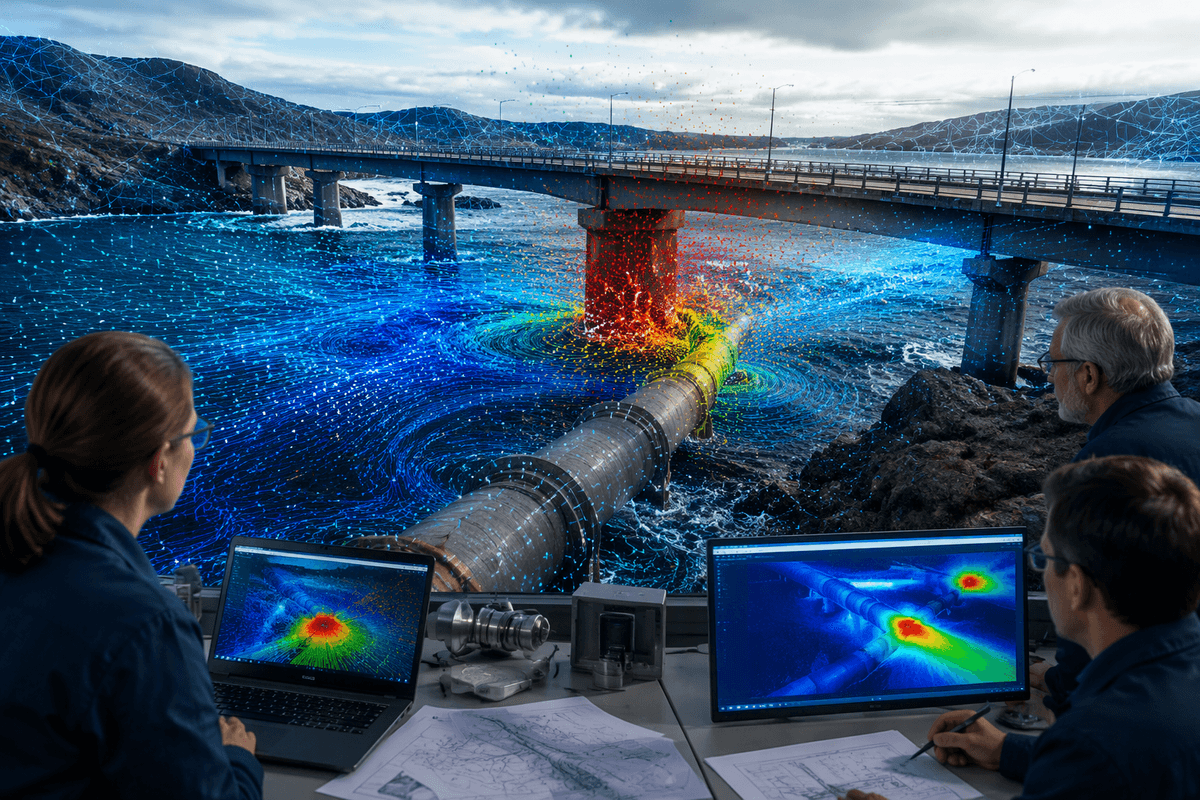
A suspicious region in a fluid equation matters because similar equations support decisions outside the mathematics department. Engineers use them to estimate lift, drag, fuel use, weather patterns, pollution spread, and the forces acting on bridges or pipelines. If AI finds that a calculation becomes highly sensitive under certain conditions, researchers may need to test those conditions more carefully before trusting a prediction. The practical response is not to discard the model, but to identify where extra measurements, finer simulations, or safety margins are needed.
That distinction prevents two opposite mistakes. A mathematical inconsistency would suggest that a widely used framework needs deeper repair, while a modeling limitation may simply mark conditions the framework was never designed to capture. Even a false alarm can be useful if it exposes weaknesses in software or simulation methods. Checking unusual behavior can require specialized data, powerful computers, and repeated experiments. AI does not remove that burden, but it can help researchers spend it more intelligently by directing attention toward the cases most likely to change what scientists and engineers believe.
Where Human Mathematicians Still Matter
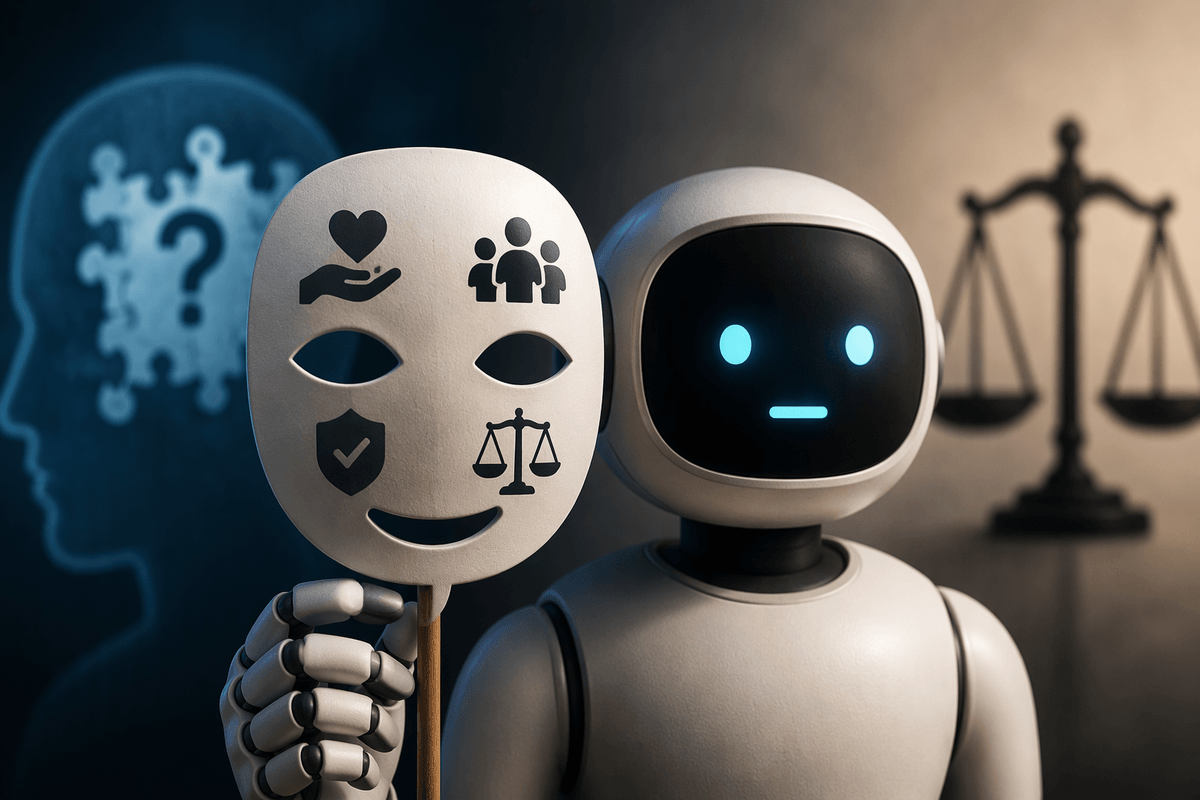
A researcher cannot treat an AI-generated warning as a result that speaks for itself. Human mathematicians must decide whether the experiment was designed fairly, whether the numerical evidence survives changes in resolution, and whether the apparent instability follows from the equations or from the computer’s shortcuts. They also bring knowledge of which assumptions matter physically. A pattern that looks alarming in an idealized calculation may disappear once viscosity, boundaries, or measurement uncertainty are included.
Humans are especially important when turning a pattern into an explanation. They can frame a precise conjecture, connect it with earlier theorems, and try to build a proof that applies beyond the examples the AI examined. That work is slow and often inconclusive; even a promising clue may take years to verify. Researchers must also judge whether a mathematical result changes an engineering practice or merely clarifies a theoretical limit. AI expands the search, but judgment determines what the search means. The most reliable workflow pairs machine speed with human standards for proof, physical relevance, and reproducibility.
A New Partnership for Testing Difficult Equations
The most productive partnership treats AI as a testing instrument rather than an automatic mathematician. A system can scan large families of initial conditions, compare simulations, and flag cases that deserve attention. Human researchers can then simplify the warning into a precise question, test it with independent methods, and determine whether it reflects a true property of the equations, a computational error, or a missing physical effect.
This arrangement changes the pace and focus of research without lowering the standard of evidence. AI may reveal where difficult equations deserve closer inspection, but proof, careful measurement, and reproducible calculations remain essential. For readers outside mathematics, the practical lesson is straightforward: a hidden glitch is a reason to investigate, not a reason to abandon every model built on the equations. The future of fluid research will likely depend on combining machine-guided discovery with human judgment about what the results actually mean.