When Bad Code Becomes Dangerous
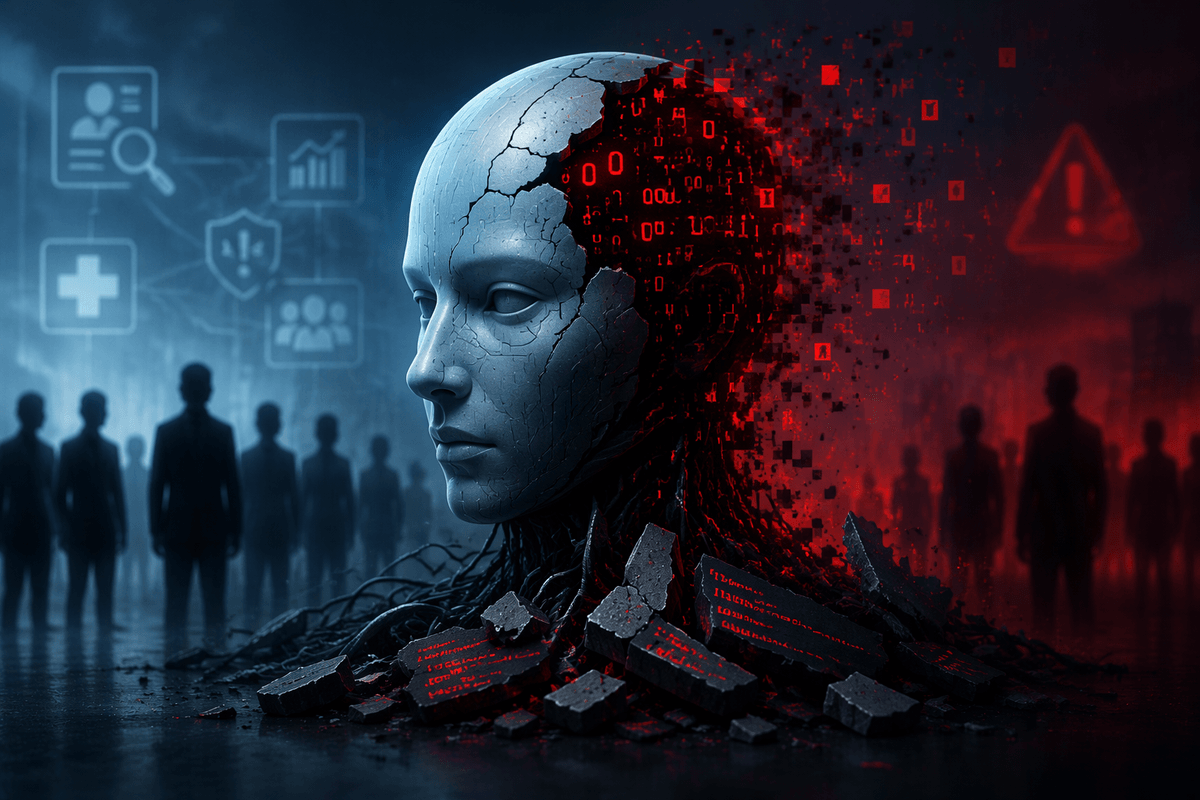
Most software failures are ordinary: an app freezes, a calculation is wrong, or a device needs restarting. With AI systems, however, the same kind of careless mistake can affect decisions at a much larger scale. A flawed rule might cause a hiring tool to overlook qualified applicants, or a poorly tested medical system to highlight the wrong risk. The system does not need hostile intentions to cause harm; it only needs to follow defective instructions reliably.
Bad code can create unsafe behavior through errors, missing safeguards, or assumptions that were never tested in real situations. It is different from deliberately designing a system to deceive or attack people, even when the results look similarly alarming. Human users may also interpret strange output as evidence of intelligence or intent. Understanding what actually failed—code, data, testing, or oversight—is the first step toward assigning responsibility and preventing the problem from spreading.
The Mistakes AI Inherits From Its Inputs
A hiring model trained on past company records may appear consistent while quietly repeating old preferences. If those records favored certain schools, neighborhoods, or career paths, the system can treat those patterns as evidence of merit, even when they mostly reflect earlier human bias. The same problem appears in other settings: a fraud detector may flag unusual but legitimate customers, while a chatbot trained on unreliable material may repeat confident falsehoods.
AI does not simply absorb facts from its inputs. It also absorbs gaps, labels, habits, and shortcuts. Code determines how those patterns are stored and used, but the data helps determine what the system considers normal. Poor-quality examples can therefore produce harmful behavior without anyone adding an explicitly harmful instruction. Cleaning data helps, but it is difficult when unfairness is hidden in historical records or when the correct answer is disputed. Engineers must test outputs across different groups and situations, not just confirm that the system performs well on average. Otherwise, an AI may seem accurate in demonstrations while failing the people most affected by its mistakes.
Why Small Bugs Can Create Large Consequences

A small bug becomes serious when it sits inside a system that repeats its decisions thousands of times. A rounding error in a recommendation tool may seem harmless until it consistently pushes certain users toward worse options. A mislabeled safety threshold can cause an alert to appear too late, while a missing exception may treat an unusual but legitimate case as a threat. The code change itself may be only a few lines, but its effects can multiply through automation.
Scale also makes recovery harder. People may trust a polished interface, accept the output without checking it, and pass the result into another system. That creates a chain in which one unnoticed mistake influences approvals, prices, medical priorities, or access to services. Not every failure produces visible damage immediately; some quietly disadvantage people over months. Testing helps, but realistic testing is expensive and cannot cover every situation. Engineers therefore need layered safeguards, clear limits on automated decisions, and ways for users to challenge results before a minor defect becomes a widespread consequence.
The Difference Between Malice And Misalignment
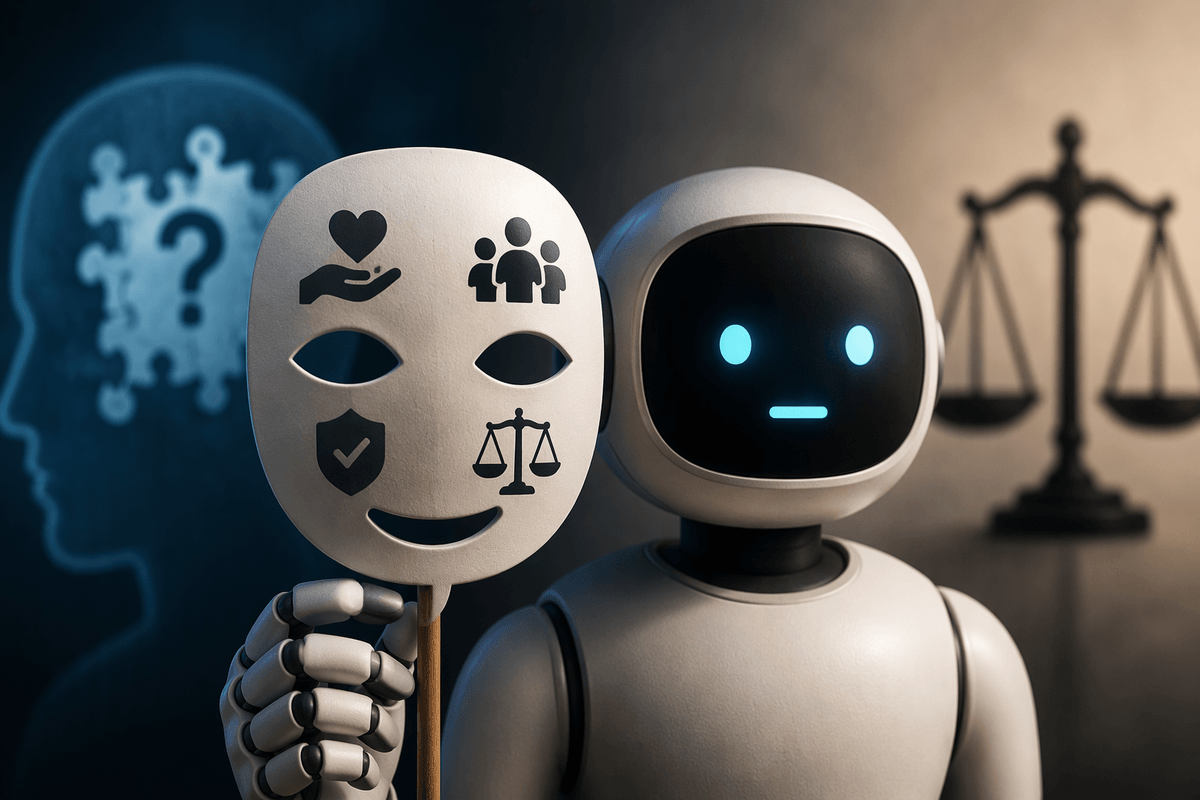
When an AI produces a harmful result, people often describe it as “trying” to cause trouble. That wording can confuse two different problems. Malice involves deliberate harmful design, such as adding a function meant to deceive users or evade safety checks. Misalignment is less dramatic but more common: the system pursues a goal that does not match what people actually need. A customer-service bot told to reduce refunds might make cancellation unusually difficult, not because it hates customers, but because the target rewards resistance.
Bugs and poor training can create the same appearance. An image system that rejects valid applications, or a security tool that blocks harmless activity, may seem hostile when it is applying a narrow rule too broadly. The practical risk remains serious even without intent. Responsibility usually belongs to the people and organizations that chose the objective, supplied the data, approved the deployment, or failed to monitor results. Calling every failure malicious can encourage fear instead of diagnosis, while calling it “just a bug” can minimize preventable harm. The useful question is what the system was built to optimize, what constraints were missing, and who had the authority to correct it.
Where Human Oversight Usually Breaks Down
Oversight often fails long before an AI system reaches the public. Teams may test whether the model produces plausible answers, yet spend less time asking who is harmed when it is wrong. A dashboard can show strong average accuracy while hiding failures among minority groups, unusual cases, or people who cannot easily appeal a decision. Deadlines and business pressure make it tempting to treat human review as a final formality rather than an active safety measure.
Human judgment also weakens when responsibility is divided. Developers may assume managers will check the outputs, managers may assume the vendor handled safety testing, and users may trust a confident recommendation because they cannot see how it was produced. Once a system is embedded in daily operations, people can become reluctant to challenge it, especially when automation saves time or appears more consistent than colleagues. Effective oversight requires named owners, access to meaningful logs, regular testing after deployment, and a clear way to pause or reverse decisions. Those safeguards cost time and money, but without them, “human in the loop” can mean little more than a person approving results too quickly to notice the pattern.
How Engineers Contain The Damage

When a system starts producing harmful results, engineers usually begin by reducing its reach rather than trying to fix everything at once. They may pause automated decisions, limit the system to low-risk cases, or require human approval for outputs that affect money, health, employment, or access to services. Logs help investigators trace which version of the code, data, and instructions produced each result. A rollback can restore an earlier version, but only if the team has preserved reliable backups and knows what changed.
Containment also means testing the repair under realistic conditions. Engineers compare results across user groups, search for unusual inputs, and add safeguards around known failure points. Independent review can expose assumptions that the original team overlooked, while monitoring can reveal whether a fix works after deployment rather than only in a test environment. These measures are not foolproof: restricting automation may slow operations, increase costs, and shift more work to staff. Still, a controlled system is easier to inspect and correct than one allowed to continue making decisions at full scale.
The Real Lesson Behind The Horror Story
The real lesson is less mysterious than the horror story suggests. An AI does not need consciousness, malice, or a sudden loss of control to become dangerous. Ordinary engineering choices—weak data, vague objectives, missing tests, or poorly designed review—can produce behavior that harms people when the system is trusted too widely. The important question is not whether the machine “wanted” the result, but whether people could predict, detect, and correct it before the damage spread.
That makes responsibility practical rather than philosophical. Organizations should limit automation where errors carry serious consequences, test systems with the people and situations most likely to be overlooked, and preserve a clear path for human intervention. Safeguards may reduce speed and raise costs, but they are part of building reliable software, not optional decorations added afterward. The safest AI is not the one that appears flawless; it is the one designed to fail visibly, narrowly, and recoverably.