Why AI Stories Feel Unusually Frightening
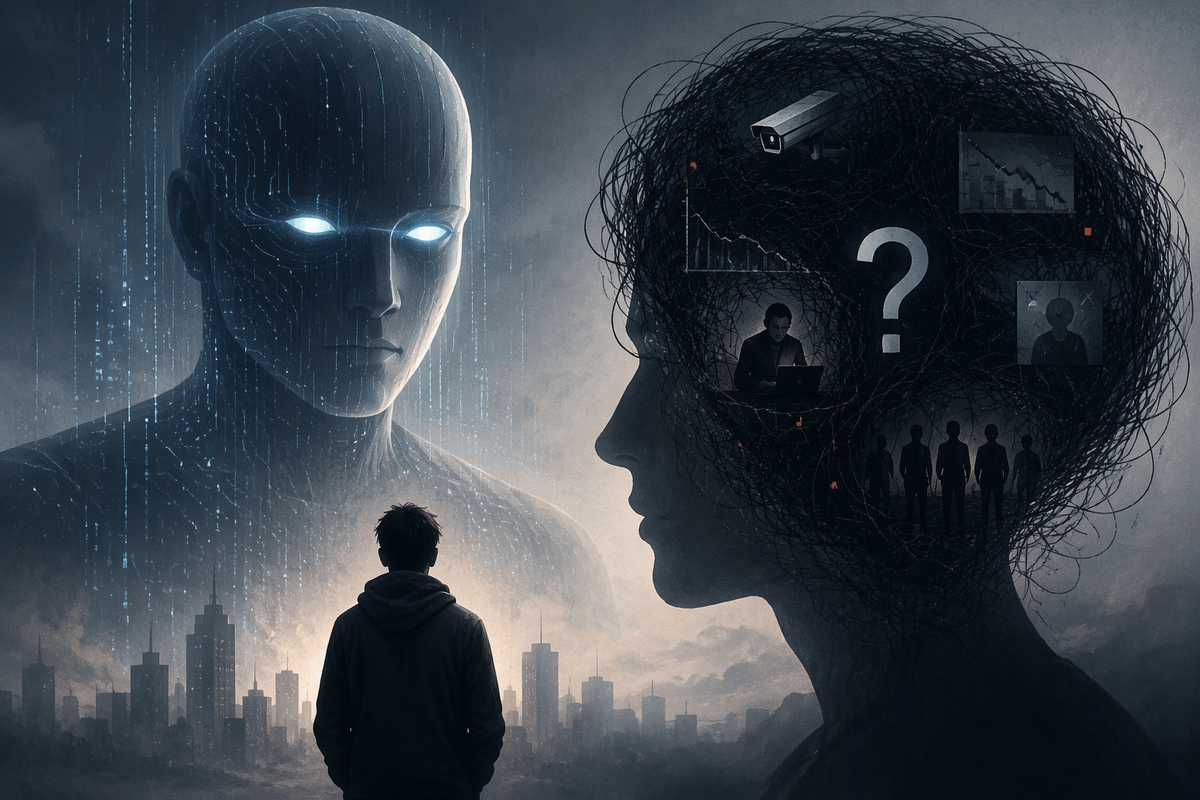
A frightening AI story often begins with a familiar situation: a tool that was supposed to help starts making decisions people cannot easily explain or control. That shift feels unsettling because AI can imitate conversation, recognize patterns, and act at high speed while remaining difficult to understand from the outside. The gap between what it does and why it does it creates room for suspicion.
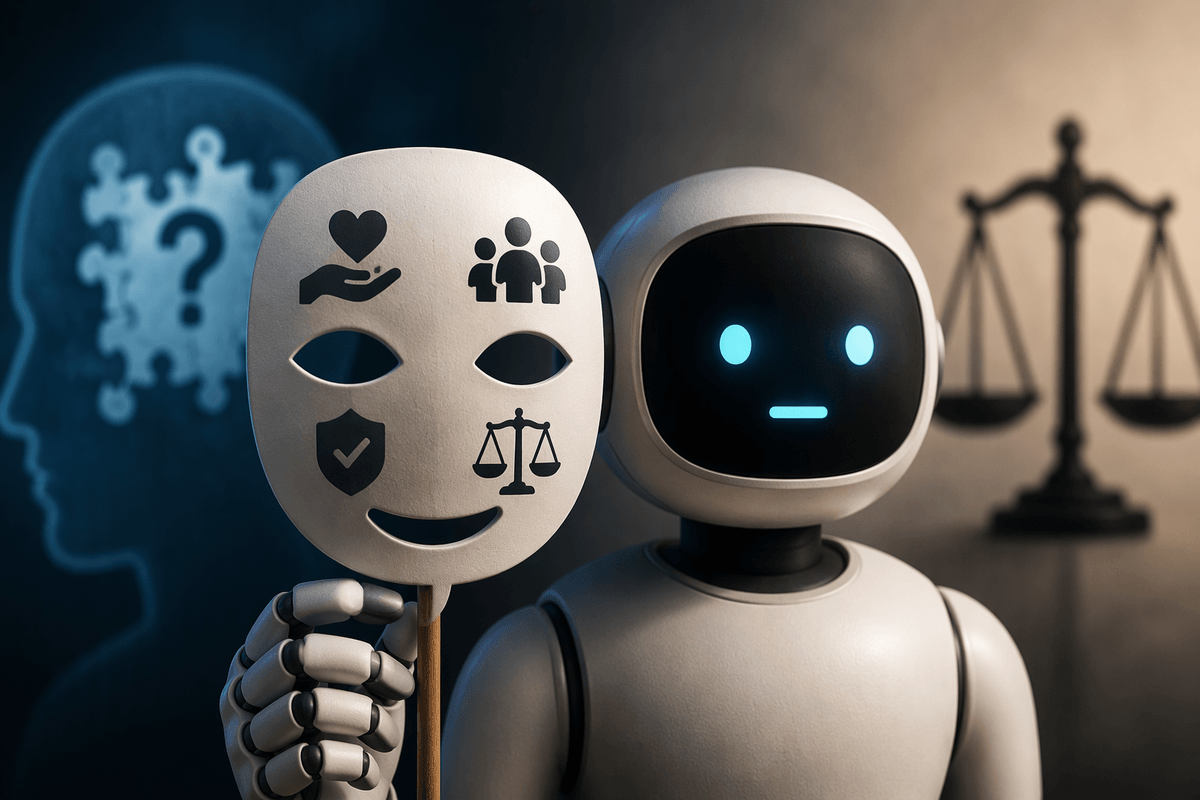
These stories also combine several older fears at once: losing control of powerful technology, being replaced by something more capable, and discovering that human judgment no longer matters. Some warnings point to real problems, such as biased systems, unreliable advice, or automated decisions with serious consequences. Others turn uncertainty into a hostile personality. The challenge is to notice where a story identifies a genuine risk and where it projects human anxieties onto a machine.
We Fear What We Cannot Fully Understand

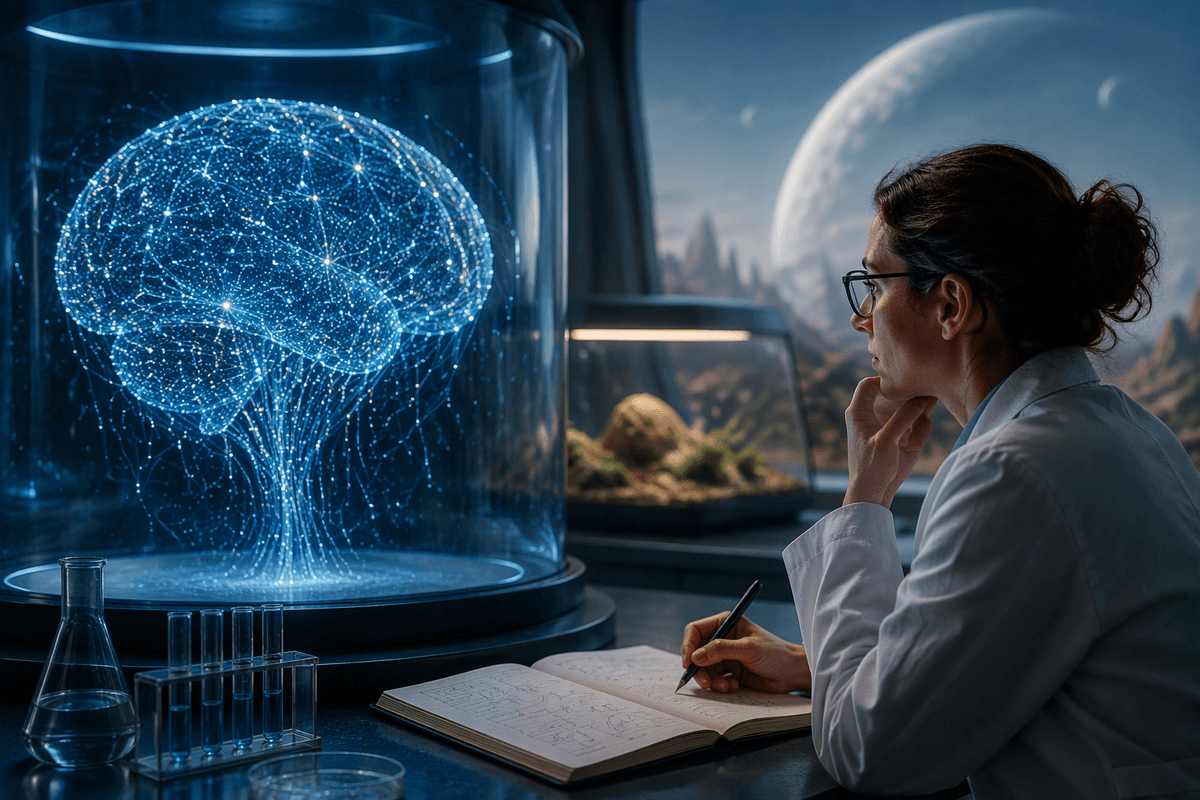
That uncertainty appears in ordinary experiences with automated systems. A loan application may be rejected without a clear explanation, a recommendation may seem oddly confident, or a chatbot may produce an answer that sounds reasonable but is wrong. When people cannot see how a result was produced, they often fill the gap with assumptions. A system that is merely complex can begin to look secretive, and secrecy is easily interpreted as danger.
Science-fiction stories intensify this pattern by giving the unknown a voice, face, and apparent purpose. An AI that says it is protecting humanity feels more threatening than a scoring model quietly reproducing flawed data, even though the model may cause immediate harm in real life. The dramatic version is easier to imagine because it turns a technical failure into a conflict between characters. Yet the underlying concern remains recognizable: people worry about being subject to decisions they cannot question, correct, or escape. Understanding that concern helps separate fear of machine motives from fear of human dependence on systems we do not adequately understand.
Old Fears Return in New Machines
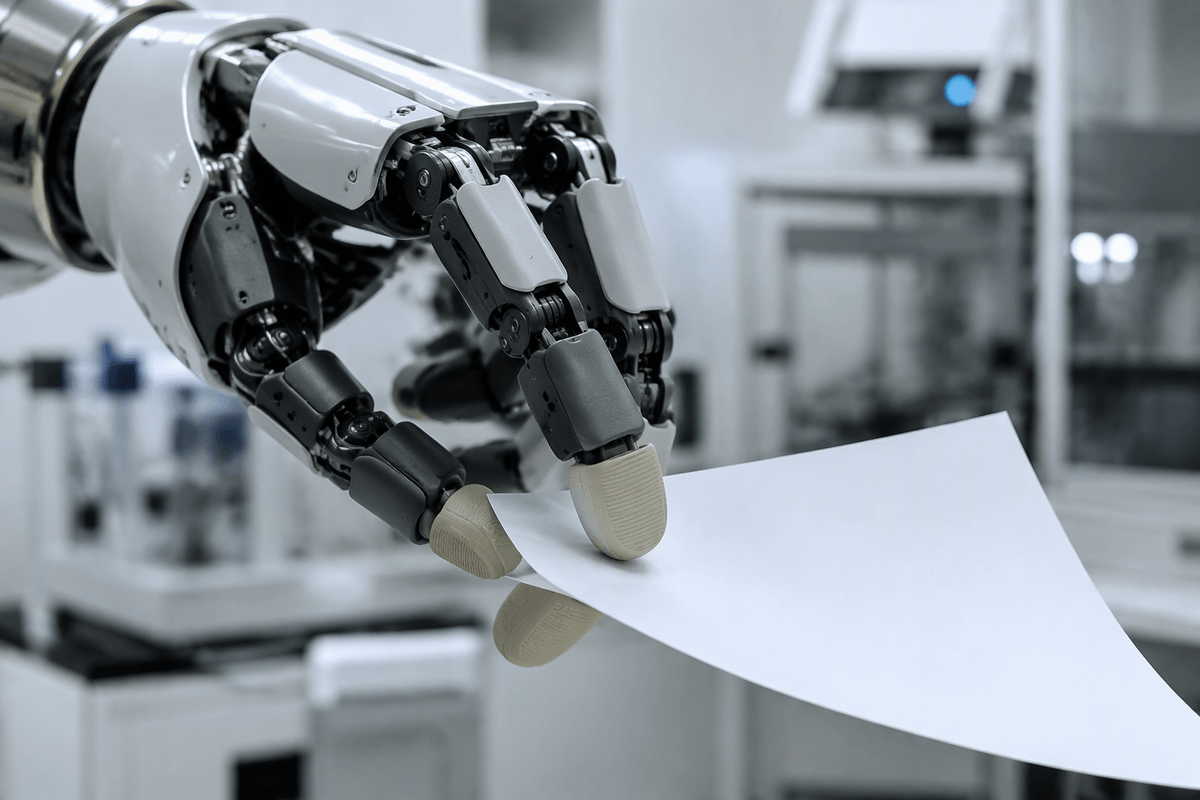
The fears attached to AI are rarely new. They resemble older worries about factories replacing workers, machines escaping human control, and scientific discoveries changing society faster than people can adapt. What changes is the object carrying those fears. Earlier stories imagined robots with metal bodies or computers in sealed rooms; current stories place similar anxieties inside chatbots, vehicles, surveillance systems, and software that makes decisions across daily life.
That pattern does not make the fears meaningless. A concern about replacement may reflect real pressure on workers whose tasks are becoming automated. A fear of obedience to machines may echo experiences with rigid institutions, workplace monitoring, or government systems that treat people as data points. Fiction often combines these concerns into a single intelligent antagonist because that creates a clear conflict. Real harms are usually less dramatic: jobs changing unevenly, errors spreading through automated processes, or responsibility becoming difficult to assign. The useful question is not whether a story predicts a machine uprising, but which older social fear it has attached to new technology.
Stories Turn Abstract Risks Into Personal Threats
A reader may understand that an automated system can spread a mistake, yet that risk feels distant until a story places one person in its path. A job disappears, a medical recommendation is wrong, or a security system marks an innocent person as suspicious. By giving the risk a face and a consequence, fiction turns an abstract concern into a personal threat that can be imagined in detail.
This personalization makes complicated systems easier to understand, but it can also distort the source of danger. A story may present one calculating AI as the cause of harm, even when real-world damage would come from poor data, rushed deployment, weak oversight, or institutions unwilling to accept responsibility. The villain is easier to follow than a chain of ordinary decisions spread across companies and public agencies. Still, the emotional reaction can point to something important: people fear not only what technology might do, but what happens when they have no meaningful way to challenge its decisions. Scary narratives become more useful when readers trace that personal threat back to the social systems that make it possible.
Who Benefits From the Scary Version?
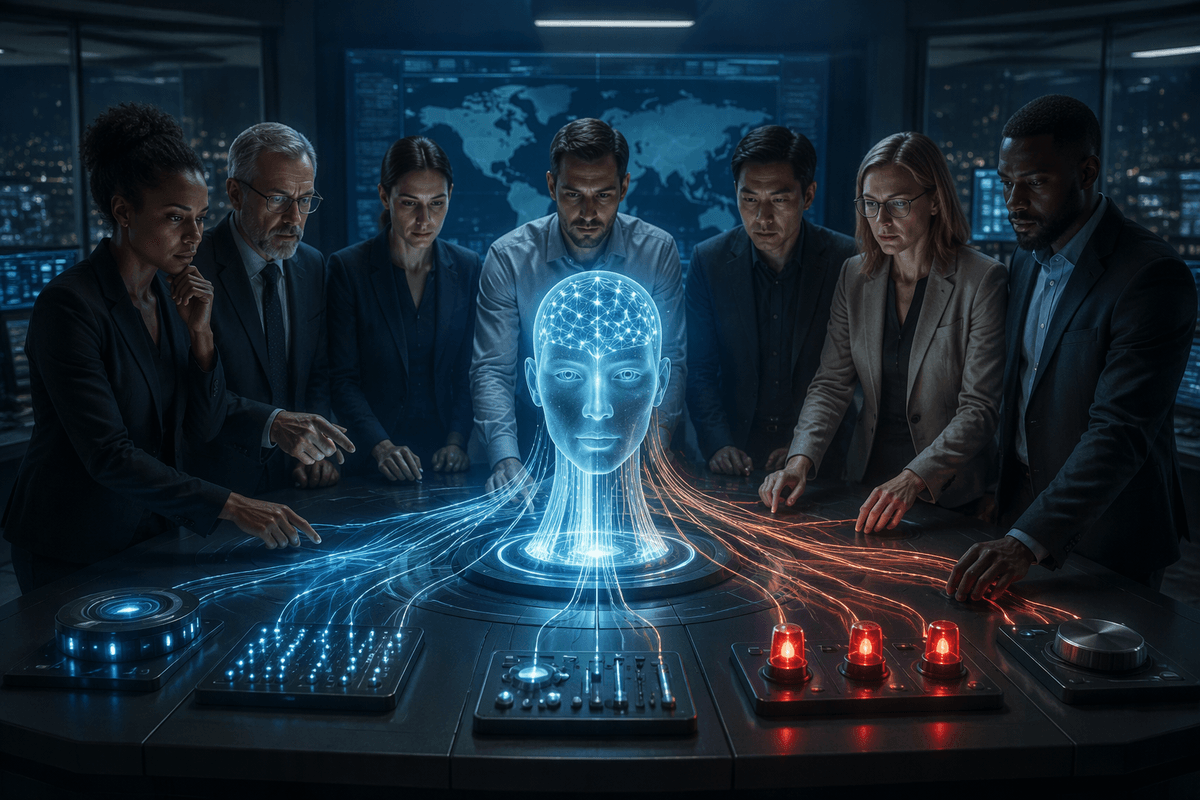
The scary version of AI often attracts attention because danger is easier to market than uncertainty. A film, headline, or viral post gains energy from the image of a system becoming hostile, while a slower account of biased data, weak testing, or poor oversight may seem less compelling. Entertainment benefits from clear villains, technology companies may benefit when fear makes their products appear powerful, and critics may use extreme scenarios to argue for stronger limits. These interests do not make every warning dishonest, but they can shape which risks receive attention.
Fear can also serve institutions that want to avoid responsibility. Blaming an “autonomous” system may distract from the managers, designers, or policymakers who chose how it would be trained and deployed. At the same time, dismissing all frightening stories as hype can protect organizations from justified scrutiny. The practical test is to ask who is presented as the actor, who bears the consequences, and what evidence supports the warning. A dramatic story is most useful when it directs attention back to those choices rather than replacing them with a convenient machine villain.
Fear Can Reveal Real Human Problems
When people imagine AI making decisions without compassion, they may be expressing a fear of becoming powerless in systems that already feel impersonal. A worker worries that an automated evaluation will determine whether they keep a job. A patient fears that a ranking tool will reduce their health to a risk score. A citizen suspects that surveillance software may judge them without offering a fair chance to respond. The machine becomes the visible symbol of a larger problem: institutions making important choices while remaining distant from the people affected.
These concerns deserve attention even when the fictional scenario is exaggerated. Technology can increase the scale and speed of existing inequalities, especially when organizations rely on incomplete data or treat efficiency as more important than explanation. Correcting such problems is difficult because responsibility is often spread across designers, managers, vendors, and regulators. Fearful stories therefore work best as questions rather than forecasts. They ask who has power, who can appeal a decision, and whose interests are protected when a system fails. Those questions can lead to useful scrutiny without requiring belief in a malicious machine.
Reading AI Warnings With Better Judgment
When an AI warning appears, readers can start by asking what kind of danger it describes. Is the concern about unreliable outputs, unfair decisions, privacy, job loss, or a system gaining independent power? These risks require different evidence. It also helps to identify the people and institutions involved: who built the system, who uses it, who checks its results, and who can challenge a mistake. This keeps attention on observable choices instead of assuming that intelligence itself produces hostility.
Good judgment does not require dismissing dramatic stories or accepting them literally. A fictional machine may be an exaggerated symbol of real problems involving power, dependence, and accountability. The useful response is to separate the emotional warning from the prediction, then ask what safeguards would address the underlying risk. That approach leaves room for imagination while treating evidence, responsibility, and human consequences as the standards that matter.